
How Does a C6 Triple-Protection Finishing Agent Create an Oil- and Stain-Repellent Layer for T-Shirt Fabrics?
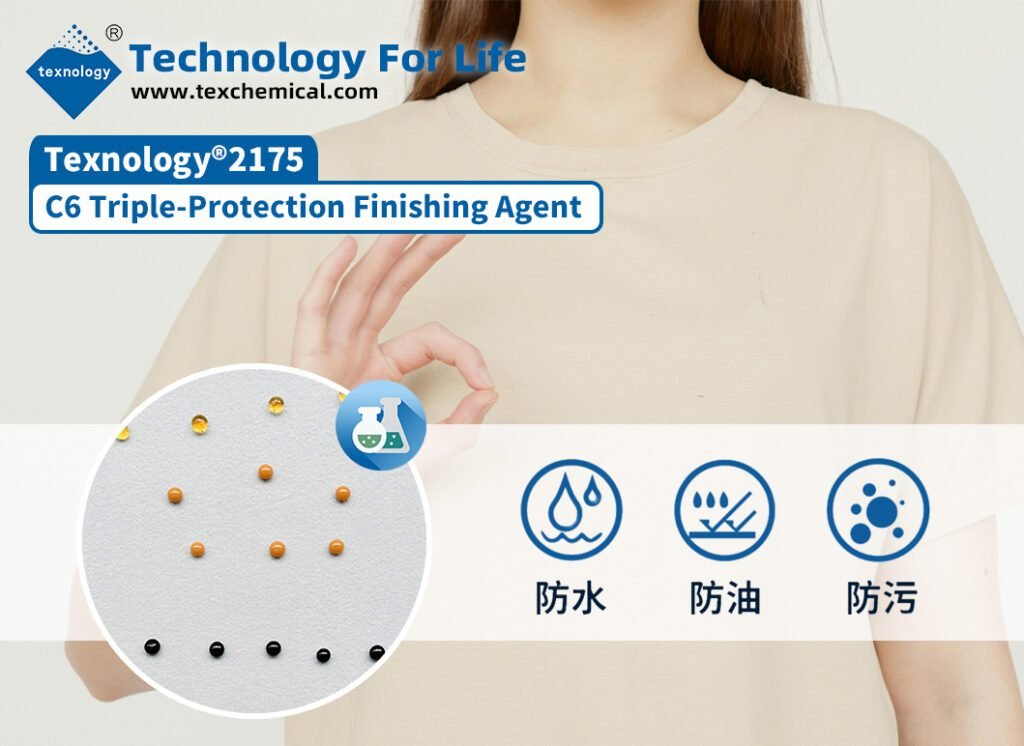
T-shirts often suffer from coffee, sauce, or oil stains. For dyeing and finishing plants, using a C6 Triple-Protection Finishing Agent offers a smart solution. This agent creates a protective layer on the fabric. Consequently, liquids roll off instead of soaking in. This helps T-shirts stay clean and last longer. Common T-Shirt Fabrics and Why They Need Triple-Protection Finishing […]
How Does a Soil-Release Agent Solve Cleaning Problems for Polyester Shoe Materials?
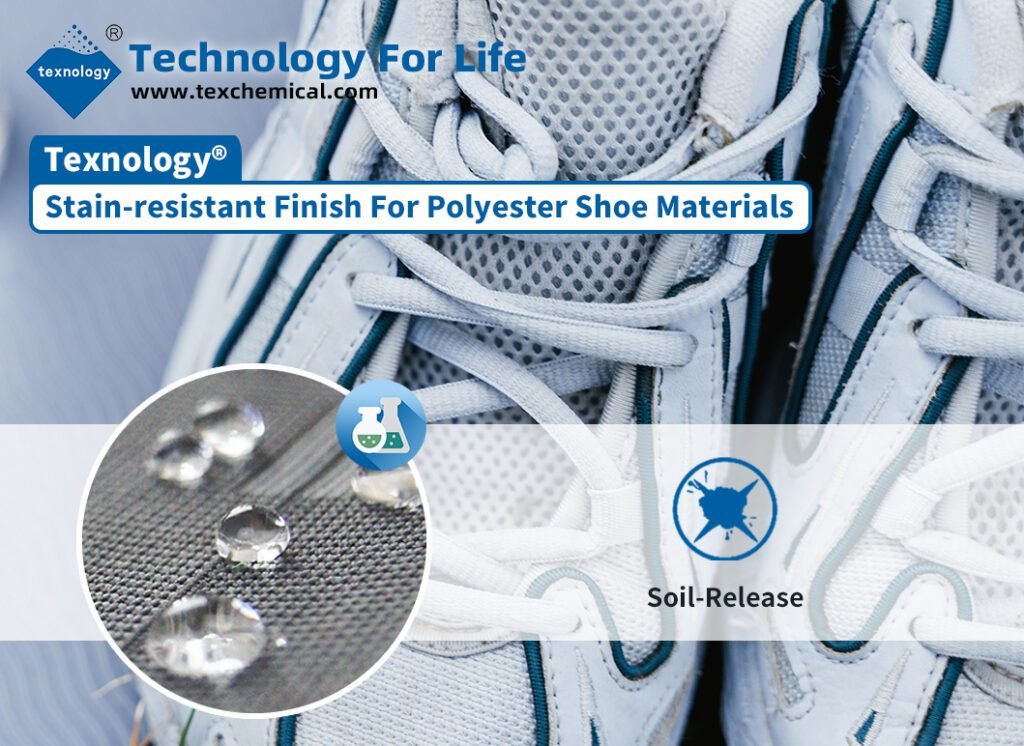
Polyester shoe fabrics are strong, wear-resistant, and dimensionally stable. That’s why many shoe material plants use them for sneakers, casual shoes, and kids’ shoes. However, polyester fibers are hydrophobic with low surface energy. They repel water but easily trap oily stains like soy sauce, orange juice, or ketchup. These stains stick tightly to the fiber surface. Ordinary […]
How to fix static buildup, poor anti-static performance, and unclear application on medical nonwoven? Try Nonwoven Antistatic Agent.

Focus keyword: nonwoven antistatic agent (appears in title, first paragraph, and subheadings) On the production line for medical masks, gowns, and surgical drapes, there is a hidden risk: static electricity. Many mills work hard on fabric smoothness and filtration efficiency. However, they often overlook the chain reaction caused by static. Static lowers processing speed. Static harms […]
How to stop fabrics from losing their lasting coolness after washing? Try TEXNOLOGY® COOL-TEX Fabric Cooling Agent.
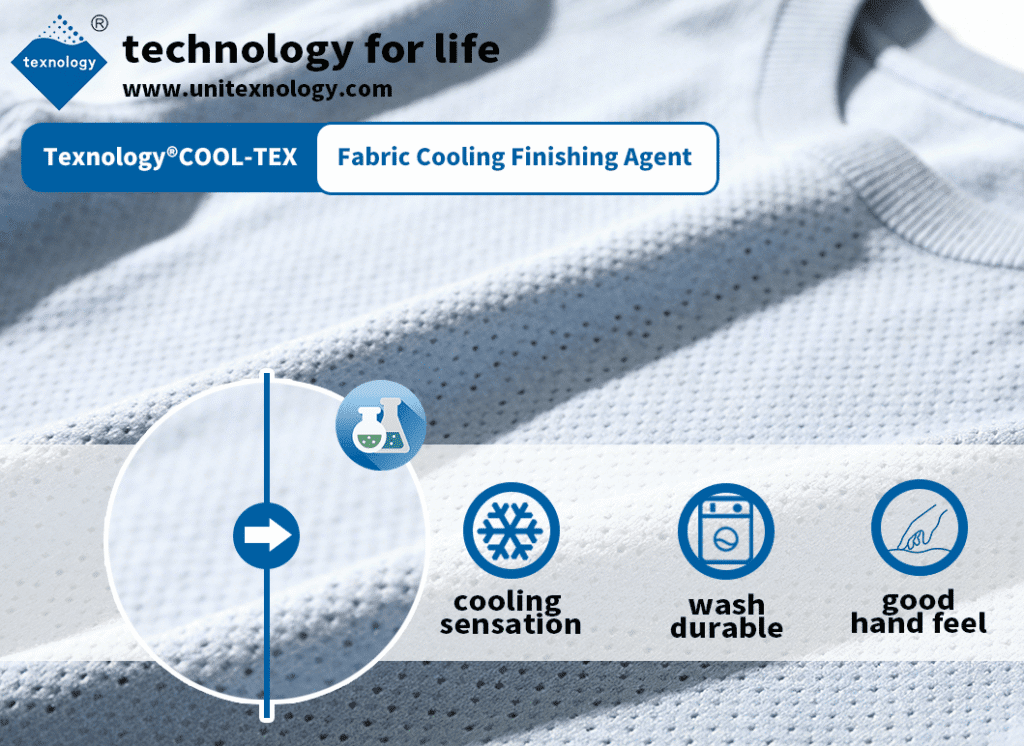
Every summer, high heat and humidity come together. Consumers no longer just want clothes that cover the body and look good. They want real coolness, dryness, and comfort. But many so‑called “cooling fabrics” on the market either lose their effect after a few washes, or they only feel cool to the touch but do not […]
How to stop light-colored fabrics from turning yellow under high heat? Try ZJ-KH3 Anti-Heat Yellowing Agent
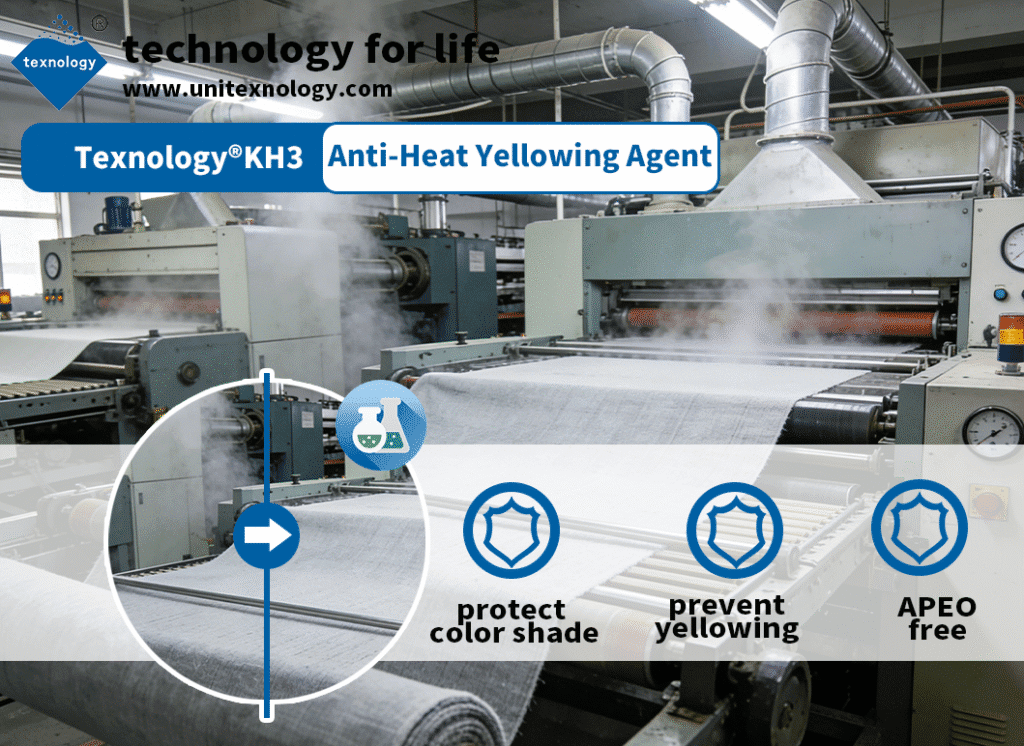
During dyeing and finishing of nylon and nylon‑elastic fiber blends, heat setting is a key step. However, high temperatures (usually 160–200°C) can easily cause yellowing on fabrics. This is especially true for light‑colored or sensitive shades. It seriously affects product quality. TEXNOLOGY® KH3 anti‑heat yellowing agent from Lianzhuang technology is a white powder. Its main component […]